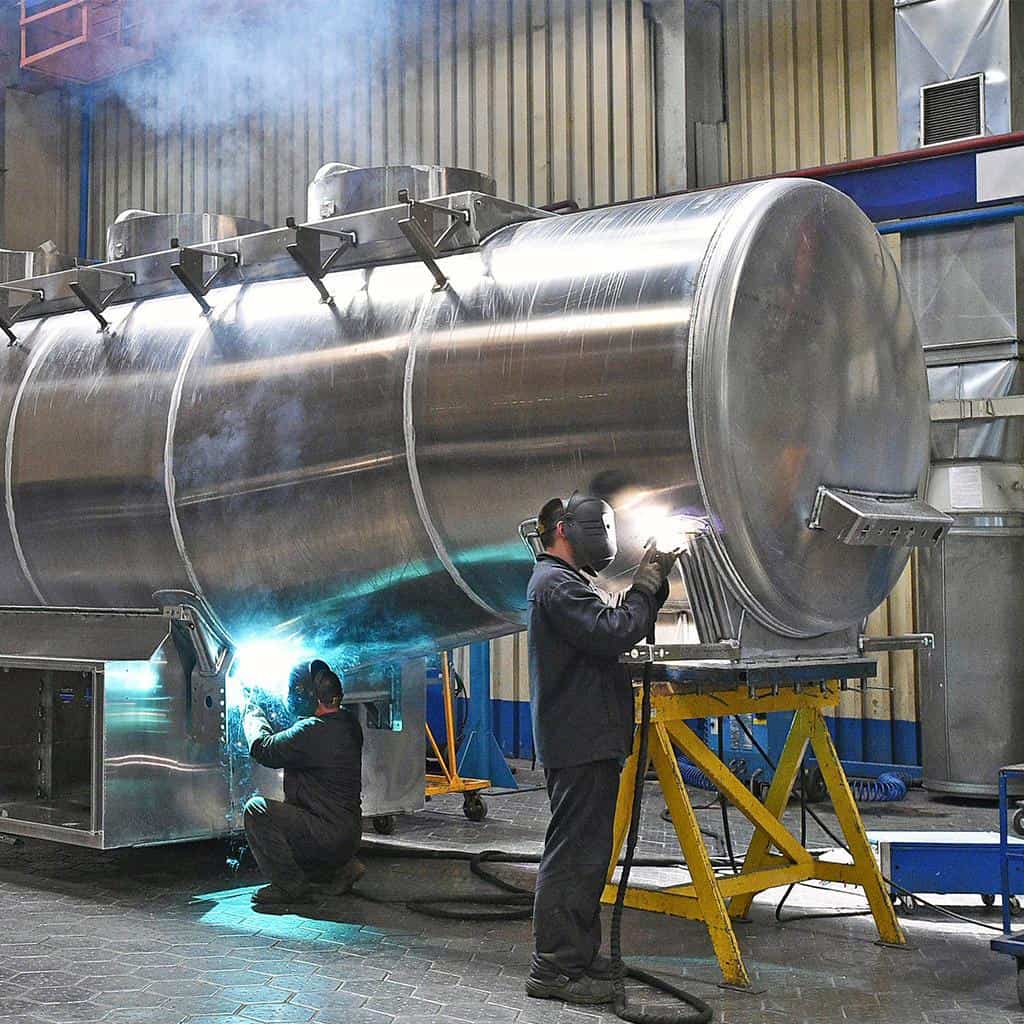
Fuel storage plays a vigorous role in keeping industrial sites, construction projects, farms, and commercial facilities running without interruption. At the same time, storing diesel comes with serious responsibilities.
Proper safety practices help prevent accidents, protect workers, and reduce environmental risks. Following clear regulations also keeps operations running smoothly and avoids costly penalties. Every facility should treat safety as a daily priority when managing a diesel storage tank.
Proper tank installation:
The first step is installing the tank in a suitable location. It should stand on a stable, level foundation that can support its weight when full. Adequate space around the tank allows easy inspection and maintenance. The installation area should also stay clear of unnecessary materials that could create safety hazards.
Routine inspections:
Regular inspections help identify problems before they become serious. Staff should check for leaks, rust, damaged fittings, and loose connections. Even a small issue can grow into a major concern if ignored. Keeping inspection records also helps demonstrate that safety procedures are being followed consistently.
Spill prevention measures:
Every facility should have equipment ready to contain accidental fuel spills. Spill kits, absorbent materials, and containment barriers should remain close to the storage area. Employees need proper training so they can respond quickly if a spill occurs. Fast action limits environmental damage and keeps the workplace safer for everyone.
Fire protection practices:
Diesel is less flammable than gasoline, yet it still presents a fire risk. Fire extinguishers suitable for fuel fires should remain easily accessible. Smoking and open flames must stay away from the storage area. Clear warning signs remind workers and visitors to follow important safety rules at all times.
Safe fuel handling procedures:
Fuel transfers should take place using approved equipment designed for diesel handling. Hoses, pumps, and valves should stay in good condition and receive regular maintenance. Workers should wear appropriate protective equipment during fuel handling tasks. Careful filling procedures also help prevent overflows and unnecessary waste.
Employee training and compliance:
Safety equipment alone cannot prevent accidents without knowledgeable staff. Employees should receive regular training on emergency procedures, safe fuel handling, and inspection routines. Refresher sessions keep everyone familiar with current regulations and workplace expectations. A well trained team creates a safer environment and helps facilities maintain compliance with industry standards.