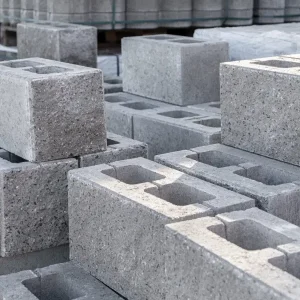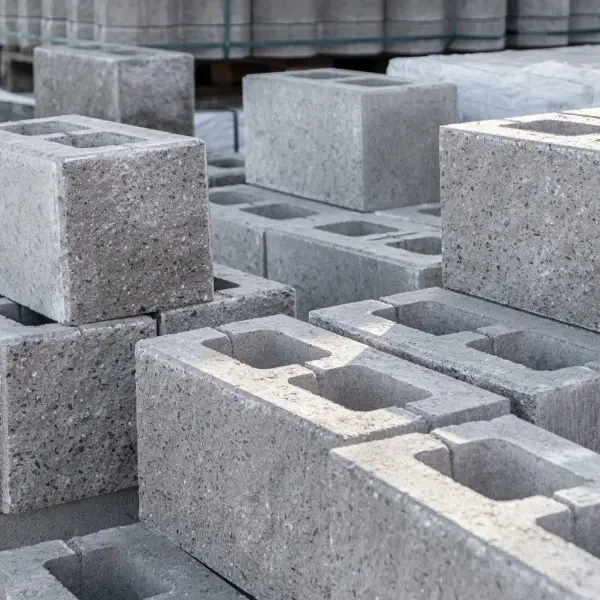
A hollow block may look perfectly solid on a construction site but still hide weaknesses that compromise an entire wall. Uneven dimensions, chipped edges, inconsistent surfaces, and visible cracks can reveal quality problems before installation begins. These defects may affect alignment, strength, mortar consumption, and long-term durability.
Before placing your next order, use these quality checks to evaluate your hollow block supplier in Dubai and avoid bringing substandard materials onto your construction site.
Check the edges and corners
Start with the block’s outer shape. Quality units display clean edges, defined corners, and a consistent outline. Large chips, broken sections, or uneven corners suggest rough handling or poor manufacturing control. Straight edges also help masons maintain neat joints and consistent wall alignment.
Look closely at the hollow cavities
Turn the block and inspect its internal openings. Cavities should have a regular shape, balanced spacing, and reasonably uniform wall thickness. Uneven openings may indicate inconsistent molding or poor production control. Check the inner surfaces for loose fragments and large cracks.
Compare dimensions across several blocks
Place two or three units side by side and compare their height, width, and length. Consistent measurements help masons maintain level courses and uniform mortar joints. Noticeable size differences can slow installation and affect wall alignment. Ask the supplier about dimensional tolerances and product specifications, particularly when a project requires precise block sizes.
Inspect the surface texture
Run your hand gently across the outer face. A quality hollow block usually has a firm, even texture without excessive loose grains or crumbling patches. Powdery surfaces may indicate weak bonding or unsuitable production conditions. Small texture variations remain normal, but deep pits and fragile edges deserve further checks before a bulk order.
Look for cracks and colour differences
Hairline marks, deep fractures, and unusual colour patches deserve closer inspection. Large cracks may reduce the block’s strength and complicate installation. Major colour differences across one batch may also suggest inconsistent materials or curing conditions. Ask the supplier about manufacturing dates, curing practices, and available test results before approving a delivery.
Ask for strength and quality records
Visual checks offer a useful first impression, but laboratory results provide stronger evidence. Request compressive strength reports, dimensional details, and relevant compliance documents. Confirm that the block grade matches the project specifications and intended wall application. A dependable supplier answers questions clearly and supports product claims with proper records, giving contractors greater confidence at every stage.