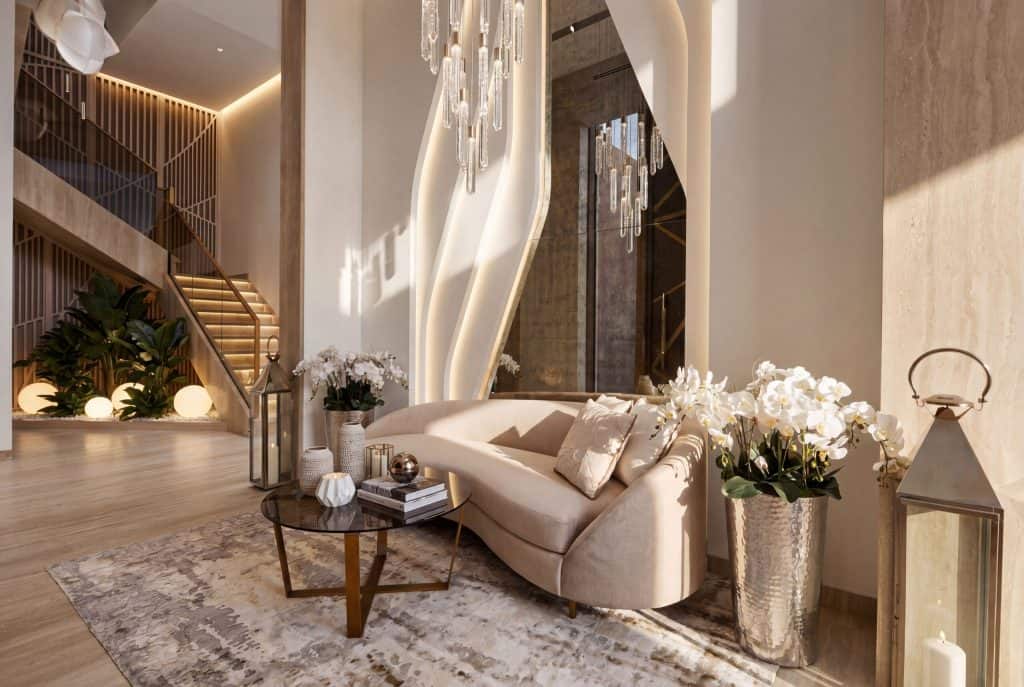
An interior design portfolio can reveal far more than a collection of attractive photographs. Look closely, and you can see how a designer handles proportions, materials, color, lighting, spatial planning, and different architectural styles across real projects. The variety of those choices can tell you a great deal about the creative direction behind the work.
A closer look at project images, details, and completed spaces can reveal what an interior design company in Dubai is truly capable of delivering.
Discovering a designer’s signature style
Every designer develops a distinct visual identity through repeated choices in colour, texture, furniture, and decoration. Some portfolios feature warm neutrals, natural wood, and understated elegance, while others showcase bold colours, sculptural furniture, and striking contrasts. Reviewing several projects helps clients recognise these preferences and decide if the designer’s creative approach suits their personal taste and daily habits.
Checking consistency across different projects
A portfolio reveals how a designer handles different property types, room sizes, and client preferences. Look at apartments, villas, offices, and hospitality spaces to see how the designer adapts ideas to different settings. Consistent quality, proportion, and finish signal dependable skills, while variety shows creative flexibility. These details help clients assess the designer’s ability to deliver work that suits a specific brief.
Evaluating colour and material choices
Colours and materials influence the mood of every interior. A portfolio lets clients examine how designers combine timber, stone, metal, glass, fabrics, and decorative finishes. Notice how each material interacts with natural light and surrounding colours. Thoughtful combinations suggest a clear design vision, while balanced textures add depth without making a room look crowded. These visual details reveal the designer’s attention to both appearance and function.
Spotting practical design decisions
Attractive photographs tell only part of the story. A useful portfolio also reveals furniture placement, storage solutions, lighting arrangements, and the relationship between different areas. Check how designers use limited floor space, organise busy rooms, and maintain comfortable movement around furniture. Practical layouts show that the designer considers everyday activities alongside visual appeal.
Comparing completed work with your vision
Before contacting a designer, shortlist portfolio projects that match your preferred style, budget, and property type. Save examples of colours, layouts, and finishes that appeal to you, then discuss them during an initial consultation. Ask about the goals behind specific design choices and the challenges each project presents. Clear examples help both sides discuss expectations and establish a shared creative direction.